
Best Reverse ETL Tools Compared: Picking the Right Platform
Compare the best reverse ETL tools for SaaS teams. See how top platforms stack up on warehouse support, integrations, pricing, and compliance to pick the right fit.
Introduction
Your warehouse is full of clean, modeled data, but your sales reps still stare at stale CRM records, and your ad platforms run on last week's audiences. Reverse ETL tools exist to close that gap, syncing transformed data from your warehouse directly into the operational systems where teams actually work. The category has matured fast: Census, Hightouch, RudderStack, Polytomic, and Multiwoven all compete for the same pipeline real estate, each with meaningfully different trade-offs around pricing, warehouse support, compliance posture, and ecosystem fit. Choosing the wrong reverse ETL platform costs more than a line item on a SaaS invoice; it creates brittle syncs, orphaned data, and a slow bleed of trust between data teams and the operators who depend on them.

Why Reverse ETL Architecture Matters More Than You Think
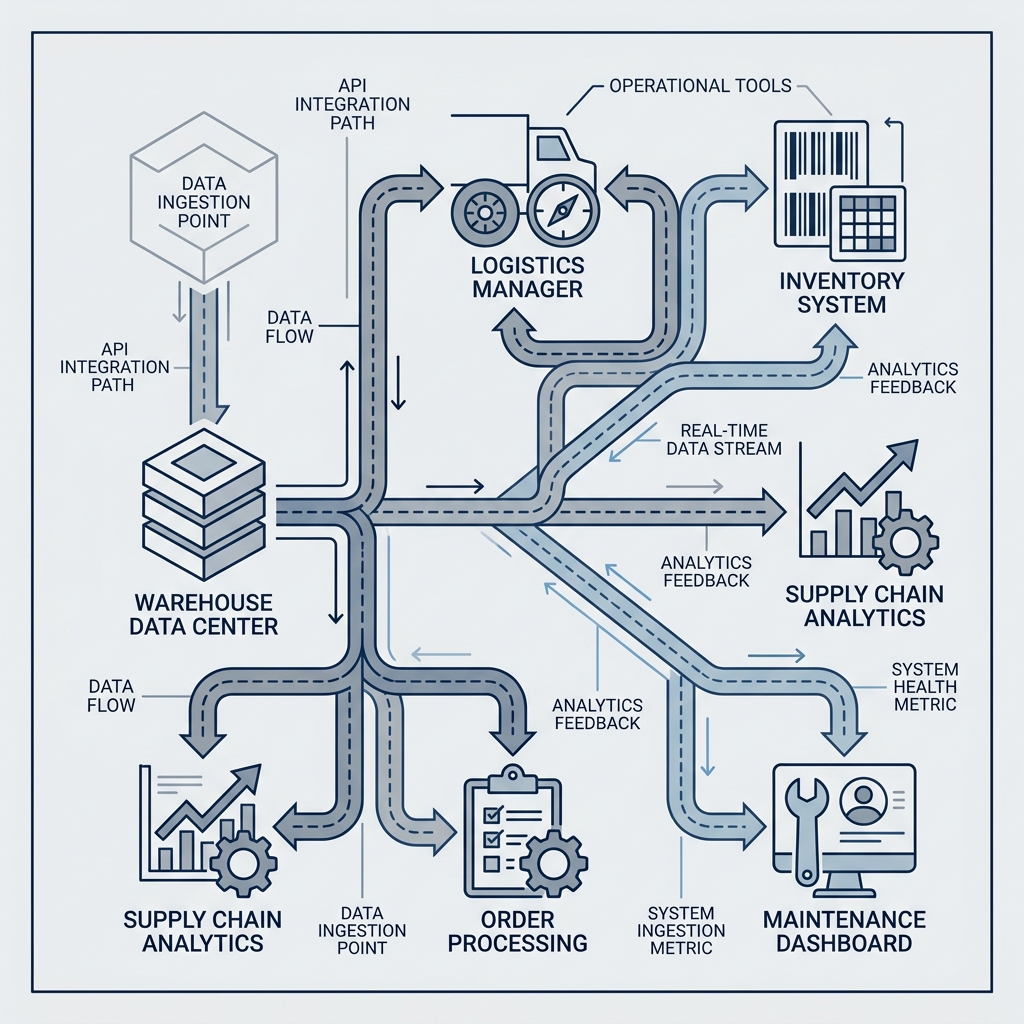
The promise of reverse ETL is straightforward: take the curated models sitting in your data warehouse and push them into tools like Salesforce, HubSpot, Google Ads, or Intercom. But the architectural details underneath that promise determine whether your data activation pipeline is reliable at scale or a fragile house of cards that breaks every time someone renames a dbt model.
Core Capabilities to Evaluate
Before comparing specific vendors, establish the dimensions that actually matter for your stack and team. Too many comparison articles rank tools by destination count alone, which tells you almost nothing about day-to-day reliability. Focus your evaluation on these criteria instead.
Warehouse compatibility: Confirm native support for your specific warehouse, whether that is Snowflake, BigQuery, Redshift, Databricks, or ClickHouse, including query pushdown and incremental sync support.
dbt integration depth: Look beyond basic model selection; the best platforms expose dbt metadata, test results, and lineage graphs directly in the sync configuration UI.
Destination catalog breadth: Count the connectors relevant to your stack, not the total number, and verify whether connectors support custom objects and field mappings.
Compliance and data residency: For teams operating under GDPR, SOC 2, or HIPAA requirements, evaluate where data transits, whether row-level access controls exist, and how deletion propagation works.
Pricing transparency: Understand whether you pay per synced record, per destination, per seat, or some hybrid, and model the cost at 10x your current volume.
The dbt-Native Workflow as a Deciding Factor
For teams that have standardized on DBT with Snowflake or another warehouse, the depth of dbt integration separates serious reverse ETL platforms from glorified CSV pushers. Census and Hightouch both offer dbt Cloud and dbt Core integrations, but the implementation differs. Census treats dbt models as first-class sync sources with automatic schema detection, while Hightouch exposes dbt model metadata through its audience builder. If your semantic layer is defined in dbt, the platform that best understands those definitions will save your team hours of manual mapping each week.

Head-to-Head: Top Reverse ETL Platforms Compared
The following breakdown covers the five platforms most commonly shortlisted by data and growth teams in 2026. Each assessment focuses on where the tool genuinely excels and where it falls short, not on restating marketing copy.
Census, Hightouch, RudderStack, and the Commercial Leaders
Census positions itself as the "data activation" platform, heavily leaning into the reverse ETL Snowflake use case and warehouse-native identity resolution. Its sync engine handles incremental updates efficiently, and the pricing model (based on synced records) is predictable for teams with well-defined audiences. The trade-off is that Census's destination catalog, while growing, lags behind Hightouch in niche SaaS integrations. If your GTM stack runs on Salesforce, HubSpot, and Google Ads, Census covers you well. If you need to push data into vertical-specific tools, verify connector availability before committing.
Hightouch has the broadest destination catalog in the category and an audience builder that lets non-technical users define segments without writing SQL. This makes it the strongest choice for organizations where data democratization is a priority and marketing teams need self-serve access. The trade-off is complexity: Hightouch's feature surface area is large, and smaller teams sometimes find the configuration overhead disproportionate to their sync volume. Pricing scales with destinations and features, which can surprise teams that start lean and expand.
RudderStack approaches reverse ETL differently. As a unified platform combining event streaming, ETL, and reverse ETL, it appeals to engineering teams who want to consolidate their data pipeline tooling. If you already use RudderStack for event collection, adding reverse ETL syncs is incremental. If you do not, adopting the full platform just for reverse ETL introduces unnecessary scope. RudderStack's open-source core is a genuine advantage for teams that want to own their first-party data infrastructure without vendor lock-in.
Open-Source Contenders: Polytomic and Multiwoven
Polytomic and Multiwoven represent the open-source wing of reverse ETL solutions, and they deserve serious consideration from teams with the engineering capacity to self-host. Polytomic offers a hosted option alongside its open-source core, with a clean UI and solid support for common warehouses and destinations. It handles the 80% use case well: syncing modeled data from a warehouse to a CRM or marketing tool with reasonable scheduling controls. Where it struggles is in advanced features like identity resolution and complex audience logic that Census and Hightouch have invested years building.
Multiwoven leans harder into the open-source ethos, targeting teams in regions or industries where data residency requirements make SaaS-hosted solutions problematic. For European teams navigating GDPR's data transfer restrictions, self-hosting a reverse ETL platform removes a significant compliance variable. The trade-off is real, though: maintaining a self-hosted data sync pipeline demands ongoing engineering investment in monitoring, alerting, and connector updates. Teams evaluating compliance considerations for ETL pipelines should weigh the operational burden of self-hosting against the compliance certainty it provides.
Conclusion
Picking the right reverse ETL platform is a stack decision, not a feature comparison exercise. Start by mapping your warehouse, your most critical destinations, your compliance requirements, and your team's engineering bandwidth. Commercial platforms like Census and Hightouch deliver faster time-to-value for most SaaS teams in North America, while open-source options like Multiwoven earn their place for European teams with strict data residency mandates. For teams building out their broader SaaS analytics infrastructure, reverse ETL is not optional; it is the bridge that turns warehouse insights into operational action. TrackRaptor covers the full spectrum of data activation tooling, from warehouse-native CDPs to event taxonomy governance, to help your team make these decisions with confidence.
Explore more data infrastructure deep-dives and reverse ETL best practices at TrackRaptor.
Frequently Asked Questions (FAQs)
How to choose a reverse ETL platform?
Evaluate warehouse compatibility, destination catalog relevance to your stack, dbt integration depth, compliance posture, and pricing scalability at 10x your current sync volume before shortlisting any vendor.
What is the best reverse ETL tool for Snowflake?
Census and Hightouch both offer deep Snowflake integration with incremental sync support and dbt metadata exposure, though Census is generally considered to have the tighter native Snowflake experience.
How does reverse ETL differ from traditional ETL?
Traditional ETL extracts data from operational sources and loads it into a warehouse for analysis, while reverse ETL pushes already-transformed warehouse data back out into operational tools like CRMs and ad platforms.
Can reverse ETL sync data to CRM?
Yes, CRM syncing is the most common reverse ETL use case, with all major platforms supporting Salesforce, HubSpot, and similar tools through pre-built connectors that handle field mapping and deduplication.
What are the pros and cons of open source reverse ETL tools?
Open-source reverse ETL tools offer data residency control and zero licensing costs but require significant engineering investment in hosting, monitoring, connector maintenance, and upgrade management.