
Conversion Pixels vs Server-Side API: Which Wins?
Pixels losing data to ad blockers? Compare conversion tracking pixels vs server-side APIs and find out which delivers accurate, privacy-safe results for SaaS.
Introduction
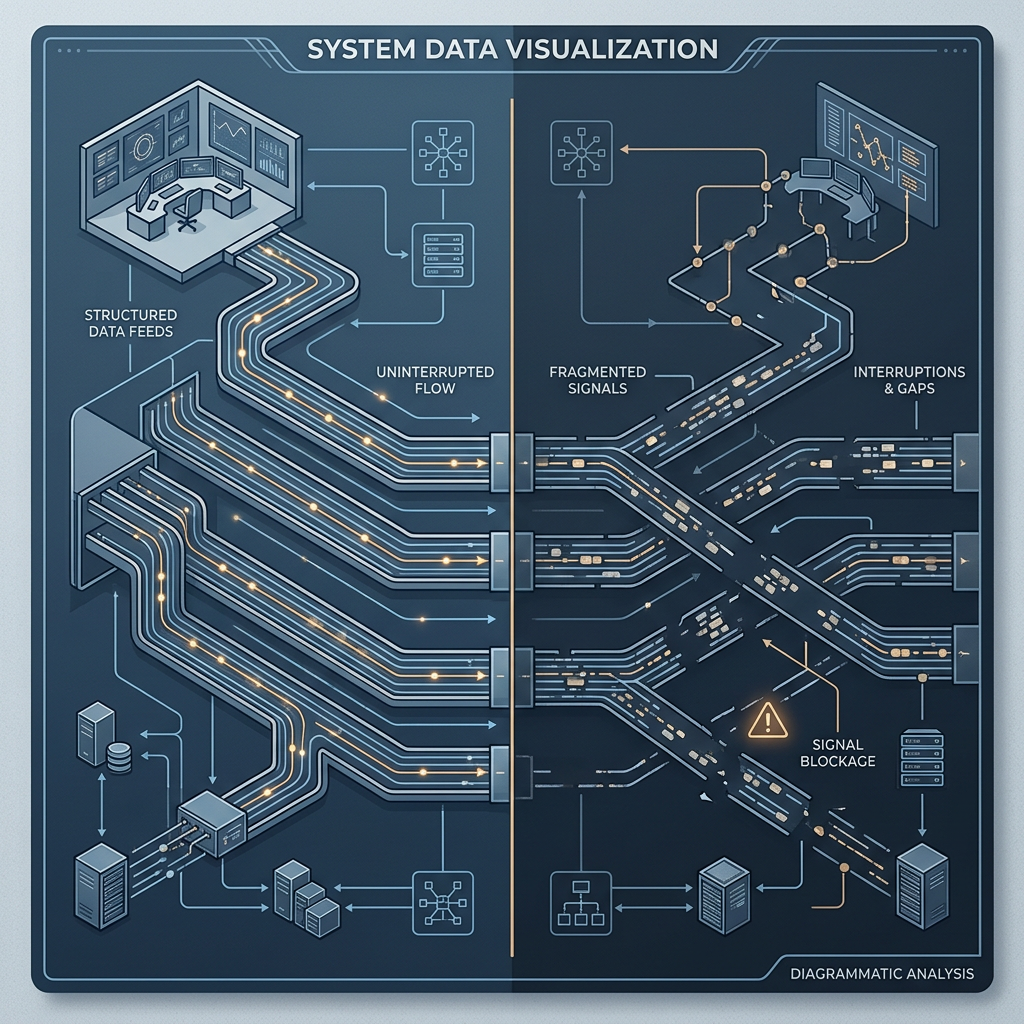
Conversion tracking pixels vs server-side API is no longer a theoretical debate for SaaS teams. It is a practical decision with direct consequences for ad spend accuracy, attribution quality, and funnel optimization. Client-side pixel tracking loses between 20% and 40% of conversion events due to ad blockers, browser privacy restrictions, and the accelerating deprecation of third-party cookies. Server-side conversion tracking bypasses these client-side vulnerabilities entirely by routing event data through your own infrastructure, and the gap in data fidelity between the two approaches is widening every quarter.
Key Takeaway: Server-side APIs deliver measurably higher conversion tracking accuracy than pixels in any environment where ad blockers, Safari ITP, or cookie restrictions are present, making them the default choice for SaaS teams that cannot afford to optimize campaigns on incomplete data.

How Each Tracking Method Works
Understanding the mechanics behind pixel-based tracking and server-side APIs exposes why they produce such different results under real-world conditions. The difference is not just architectural. It determines what data actually reaches your ad platforms and analytics tools.
Client-Side Pixel Tracking: The Browser-Dependent Model
A conversion pixel is a small JavaScript snippet or 1x1 image tag embedded in a webpage. When a user loads the page or completes an action, the pixel fires an HTTP request to a third-party ad platform (Google, Meta, LinkedIn) carrying event data like transaction value, lead form submission, or signup completion. The entire mechanism depends on the user's browser executing that code successfully.
Browser dependency: Pixels only fire if the browser allows the JavaScript to load and execute without interference
Third-party cookie reliance: Most pixels use third-party cookies to match users across sessions, a mechanism now blocked by default in Safari and Firefox
Ad-blocker vulnerability: Extensions like uBlock Origin and Brave's built-in shields block pixel requests at the network level before they ever fire
Page load sensitivity: Slow connections, tab closures, and aggressive battery-saving modes on mobile all prevent pixels from completing their requests
Server-Side API: The Infrastructure-First Model
A conversion API implementation works differently. Instead of relying on the browser, your server sends event data directly to the ad platform's API endpoint. When a user signs up, purchases, or completes any tracked action, your backend fires an HTTPS request containing hashed user identifiers (email, phone, IP) and event metadata. The browser is not involved in the data transmission at all, which means ad blockers have no opportunity to intercept the signal. This approach relies on first-party data collection server-side, using identifiers your application already possesses from authentication or form submissions.

Where Each Method Breaks Down
Choosing between these approaches requires understanding their failure modes under realistic conditions. SaaS teams operating across multiple geographies, device types, and audience segments encounter these breakdowns daily.
Quantified Data Loss: Pixels Under Pressure
The ad-blocker impact on conversion pixels is not marginal. Industry data consistently shows that pixel-based tracking misses 20% to 40% of actual conversion events depending on audience composition, a gap further confirmed by Meta's own Conversions API documentation. Technical audiences, the exact demographic most SaaS companies target, have ad-blocker adoption rates exceeding 40%. Safari's Intelligent Tracking Prevention (ITP) caps first-party cookie lifespans at 7 days for JavaScript-set cookies and blocks all third-party cookies by default.
The following table compares how each tracking method performs across the most common failure scenarios SaaS teams encounter.
Failure Scenario | Client-Side Pixel | Server-Side API |
|---|---|---|
Ad blocker active | Event lost entirely | Event captured normally |
Safari ITP restrictions | Cookie capped at 7 days; cross-session matching degrades | Uses hashed first-party identifiers; unaffected |
Third-party cookie blocked | No cross-domain user matching | Matches on email/phone hash via API |
Page closed before pixel fires | Event lost | Event queued and sent from backend |
Slow mobile connection | Pixel request may timeout | Server sends on reliable connection |
GDPR consent not granted | Pixel must not fire; event lost | Server can send consented, hashed data only |
The pattern is clear: every client-side vulnerability that causes pixel-based tracking data loss is either eliminated or significantly mitigated by server-side routing. For SaaS companies targeting developers or enterprise buyers, where ad-blocker usage runs highest, the data gap is even wider.
Server-Side Trade-Offs: What You Give Up
Server-side tracking is not without cost. Implementation requires backend engineering work: setting up event pipelines, backend engineering requirements for server-side event pipelines, hashing user identifiers before transmission, maintaining API authentication with each ad platform, and monitoring for delivery failures. Teams using tools like Segment or a custom event bus built on Kafka need to map their existing event taxonomy to each platform's conversion API schema. For a team without dedicated data engineering resources, the initial setup is significantly more complex than dropping a pixel snippet into a tag manager. The server-side API pros and cons boil down to this: you trade implementation simplicity for conversion tracking accuracy that client-side methods can no longer deliver.
Conclusion
For SaaS teams making budget and attribution decisions on conversion data, the verdict is increasingly one-sided. Client-side pixels were built for an era of permissive browsers and ubiquitous third-party cookies, and that era is over. Server-side APIs recover the 20% to 40% of events that pixels silently drop, provide privacy-compliant conversion tracking by design, and give engineering teams full control over what data leaves their infrastructure. The implementation cost is real but bounded, while the cost of optimizing campaigns on incomplete data compounds every month. Teams at TrackRaptor have documented extensively how server-side approaches recover lost signals across every major ad platform. If your tracking stack still relies primarily on pixels, the migration is not a future consideration. It is the most consequential infrastructure decision your growth team can make this quarter.
Frequently Asked Questions (FAQs)
What are conversion tracking pixels?
Conversion tracking pixels are small JavaScript or image-based snippets embedded on webpages that fire HTTP requests to ad platforms when a user completes a tracked action like a signup or purchase.
Can server-side APIs replace pixels?
Server-side APIs can fully replace pixels for conversion event delivery, though many teams run both in parallel during migration to validate data parity before decommissioning client-side tags.
How do ad blockers affect conversion pixels?
Ad blockers intercept and block the network requests that pixels attempt to send, preventing conversion events from reaching ad platforms entirely and causing systematic undercounting of 15% to 40% depending on the audience.
Why is server-side tracking more accurate?
Server-side tracking is more accurate because it sends event data directly from your backend infrastructure to ad platform APIs, bypassing browser-level interference from ad blockers, cookie restrictions, and page load failures.
What is a conversion API?
A conversion API is a server-to-server integration provided by ad platforms like Meta, Google, and LinkedIn that allows your backend to send hashed conversion event data directly without relying on browser-based pixel execution.
Is server-side conversion tracking GDPR compliant?
Server-side conversion tracking supports GDPR compliance more effectively than pixels because it gives your engineering team explicit control over what user data is hashed, transmitted, and stored, allowing you to enforce consent decisions at the server level before any data leaves your infrastructure.
Is server-side tracking better than pixels for SaaS?
Server-side tracking is measurably better for SaaS companies because their target audiences (developers, IT professionals, enterprise buyers) have the highest ad-blocker adoption rates, making pixel-based tracking unreliable for the exact conversions that matter most.